# Gaming Tool Projects: Anti-Cracking, Community, and Payment Challenges
Table of Contents
An anonymous developer talks about what happened when their gaming tool project got popular. They were first in a niche scene and built features nobody else had. Then the userbase grew and everything got complicated.
The code was never the hard part.
The quick version
| Topic | What happened |
|---|---|
| Support volume | Same questions forever, never stops |
| Crypto payments | More accessible, way more user mistakes |
| High-risk processing | Payment gateways are fragile at scale |
| Security | AV false positives from packers |
| Anti-cracking | DNS hijacking was the one that worked |
| What helped | Hard rules, moderators, Cloudflare |
When your userbase grows fast
The project started as a free tool for a game with a younger audience. It blew up fast because nobody else was doing what this developer was building. TAS bots, movement automation, features the scene had never seen. Players started calling out the tool name instead of just yelling “cheater.”
When development needed funding, they added a paid version. That is when everything shifted. Not because of the code or the anti-cheat pressure. Because the community side got ten times harder overnight.
The support reality
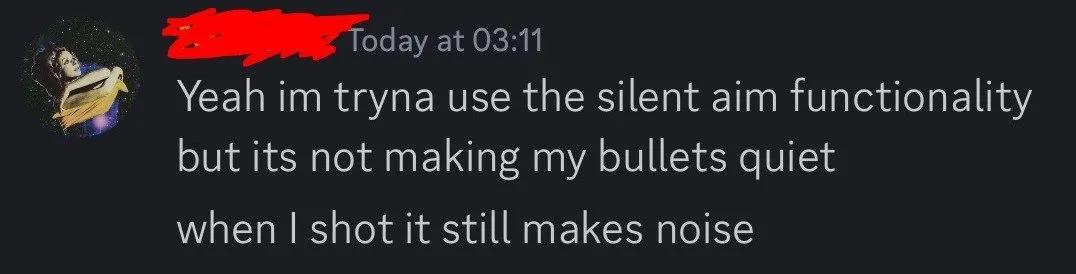
Support volume scales with users, but not linearly. It compounds. Younger, less technical users created a constant stream of the same questions.
People who did not read the install guide. People who clicked the wrong link and downloaded malware from a clone site, then blamed the developer. Every day someone burned their one HWID reset right before a PC upgrade and opened a ticket like they were owed another.
The team tried everything to cut it down. Docs for every feature. Step-by-step pages. Pinned answers across Discord channels. An AI chatbot to catch repeat questions. Each thing helped at the edges, but the volume never stopped. Free weekends were the worst. Wave after wave of new users asking the same install questions, plus spam bots on top.
Almost daily someone’s Discord account would get hijacked and start posting crypto scam links in every channel. Ban the account, then the real user comes back confused. Explain it to them. Reset their roles. Move on. Then it happens to someone else the next day.
Crypto payments and payment gateways
The developer went crypto-first because a large part of their userbase was in regions where traditional cards do not work well. Crypto was the only option that worked for many people. But crypto users make a lot of mistakes.
Someone would send 20 cents for a 10 dollar product and swear they paid. Someone would send on the wrong chain and the funds would disappear. Someone would send from an exchange and it would take an hour to confirm, so they would spam support the whole time. Someone would buy the wrong thing and argue about it for 45 minutes.
Adding card payments through standard gateways introduced new problems. High-risk digital products are a difficult category for payment processors. Accounts get flagged, holds get placed, and explaining your business model to a support team that does not understand the space is frustrating. The developer had to restructure their payment flow to keep things running, splitting payment methods by region to avoid triggering every risk flag at once.
The crypto payment tickets never went away, but the card payment side stabilized once the flow was properly segmented.
Security, clones, and anti-cracking
When a project gets known, the attention is not all positive. Scammers set up clone sites on lookalike domains, sometimes bundling malware. People impersonated Discord and Telegram handles to collect payments and disappear. Users still fell for it and blamed the project.
The tool used a packer which triggered antivirus flags on every build. Users would trust the AV popup more than anything the team said. The “it is malware” drama was constant.
Packed binaries also create domain reputation problems. Antivirus scanners link file detections to the hosting domain. A single flagged download can make the whole domain show “dangerous site” warnings in Google Safe Browsing, even when the website itself has nothing harmful on it. Moving downloads behind Cloudflare challenges solved the bot-driven mass-reporting problem, but the reputation damage from the initial flags took weeks to recover from.
The DNS hijacking crack
The most sophisticated anti-cracking challenge was a DNS hijacking attack. Someone set up their own DNS server with a fake API endpoint. Users who changed their DNS settings had the tool’s client redirect to the fake server instead of the real one. The fake API just returned success on every request. No real auth, no validation. It worked.
The team built protections against DNS hijacking after that incident. There are still crack attempts, but nothing that sophisticated since.
The cost of being known
Popularity in a niche scene brings attention from everyone. Server owners hunt for known tools specifically. They sit in games watching for patterns, record clips, share them around. They spam report Discord servers and hosting providers. They report domains for malware.
There is also the entitlement problem. People with no audience message asking for free access. People begging for moderator roles. Long stories about why they deserve special treatment. Listening to them and trying to figure out who was telling the truth was exhausting, and most of them just wanted free access.
At a certain scale, the developer stops being a developer. They become a full-time support agent who writes code on the side.
What actually helped
Hard rules made the biggest difference. No support in DMs. No bending on HWID resets. No arguing about refunds in public channels. One page with all official links so the team could paste it anytime someone asked. Slow mode and account age limits during high-traffic events.
Recruiting moderators was the biggest single win. Once other people handled basic support and spam, the developer could focus on building features instead of babysitting Discord.
Cloudflare challenges on downloads stopped the bot-driven abuse. A simple fix that should have happened earlier.
The reality check
The code is the easy part. Most of your energy goes into support tickets, payment complications, and the constant stream of people who exist just to waste your time. Some weeks you ship something cool and it feels like progress. Other weeks you are just firefighting.
None of this means you should not try. It just means the boring problems will consume your attention long before the interesting ones do. Plan for that.